When navigating the complex world of digital identity and transaction security, few elements are as central—or as vulnerable—as the Social Security Number (SSN). Businesses, financial institutions, and government agencies alike are constantly seeking robust SSN Verification & Authentication Methods to confirm identities and prevent the sophisticated schemes of modern fraudsters. It's a high-stakes game where protecting sensitive data isn't just a best practice; it's a non-negotiable requirement for trust and compliance.
This isn't just about ticking boxes; it's about building an impenetrable fortress around personal data while maintaining a seamless, user-friendly experience. In this guide, we'll strip away the jargon and lay bare the most effective strategies for verifying and authenticating SSNs, ensuring both security and peace of mind.
At a Glance: Securing SSN Data
- SSN Basics: A unique 9-digit US identifier, crucial for financial and government interactions.
- Verification vs. Authentication: Verification confirms if an SSN belongs to a person; authentication confirms the person's identity using SSN-related data as a factor.
- Fraud Magnet: SSNs are prime targets for identity theft, synthetic identity fraud, and other financial crimes.
- Key Verification Methods: Database checks, document review, eCBSV (for financial institutions), and the online SSA tool.
- Always Multi-Layered: SSN verification alone is insufficient for robust security or regulatory compliance (e.g., KYC/AML). Combine it with other identity proofing.
- Challenges: Vulnerability (no biometrics), user privacy concerns, ambiguous verification results, and handling non-SSN holders.
- Best Practices: Limit access, automate processes, ensure transparency and consent, and adopt multi-factor authentication principles.
- Stolen SSN Protocol: Contact the SSA, report to FTC, Internet Crime Center, or IdentityTheft.gov.
The Identity Imperative: Why SSN Protection Has Never Been More Critical
The Social Security Number, originally conceived in the 1930s to track earnings for retirement benefits, has evolved into the bedrock of identity in the United States. It's the unique nine-digit key that unlocks everything from employment and banking to taxes and healthcare. For businesses, the SSN is a vital piece of the Know Your Customer (KYC) puzzle, helping establish a customer's true identity to comply with anti-money laundering (AML) regulations and prevent fraud.
However, this centrality makes the SSN an incredibly attractive target for cybercriminals. Identity thieves leverage stolen SSNs for a litany of illicit activities, including opening fraudulent accounts, filing false tax returns, money laundering, and even creating "synthetic identities" by blending real SSNs with fabricated personal data. These sophisticated attacks underscore why traditional, single-point SSN checks are no longer enough. We need robust methods for both verifying an SSN's legitimacy and authenticating the individual presenting it.
SSN Verification: Confirming the 'Who' Behind the Number
At its core, SSN verification is the process of confirming that a provided Social Security Number genuinely belongs to the individual presenting it. It’s a foundational step in establishing trust and is critical for businesses operating in regulated sectors like finance, lending, and healthcare, as well as for many government services. Without proper verification, a business is left exposed to a range of financial and reputational risks.
This isn't just about checking if the number exists; it’s about validating its association with a specific person. Companies typically leverage automated software solutions to cross-reference the SSN along with other personal details—like name, date of birth, and address—against authoritative government records, most notably those maintained by the Social Security Administration (SSA). This process is suitable for various US residents, including citizens, permanent residents, temporary residents, and working residents.
It’s crucial to understand that while an SSN is a powerful identifier, it alone doesn't meet comprehensive identity verification or AML compliance requirements such as those mandated by the Bank Secrecy Act (BSA) and its Customer Identification Program (CIP). These regulations demand a more holistic approach, combining multiple identity verification measures.
Decoding the SSN: A Quick Anatomy Lesson
Since 2011, SSNs have been randomized for enhanced security, making it harder for fraudsters to guess or predict numbers. Most people retain the same SSN for life, and it’s prominently displayed on your Social Security card. This seemingly simple nine-digit number carries immense weight, which is why its careful handling and rigorous verification are paramount in preventing fraud, from synthetic identity schemes to the misuse of deceased persons' SSNs.
Beyond the Basic Check: Diverse Methods of SSN Verification
To truly secure transactions and interactions, organizations employ several distinct methods for SSN verification. Each has its strengths and ideal use cases, often working in concert to create a more resilient verification ecosystem.
1. Database Verification: The Digital Cross-Reference
This is one of the most common and efficient methods. Companies utilize secure, proprietary databases maintained by credit reporting agencies, credit card companies, or specialized third-party RegTech providers. These databases contain vast amounts of public and private data, allowing businesses to cross-check an applicant's provided SSN against their name, date of birth, and address.
The power of database verification lies in its speed and scale. It can quickly flag inconsistencies or outright fraud by comparing submitted data to a broad spectrum of trusted sources, including official SSA records accessible through authorized channels. It’s an invaluable first line of defense, capable of identifying discrepancies that might indicate a stolen or fabricated identity.
2. Document Verification: Proof in Paper (or Pixels)
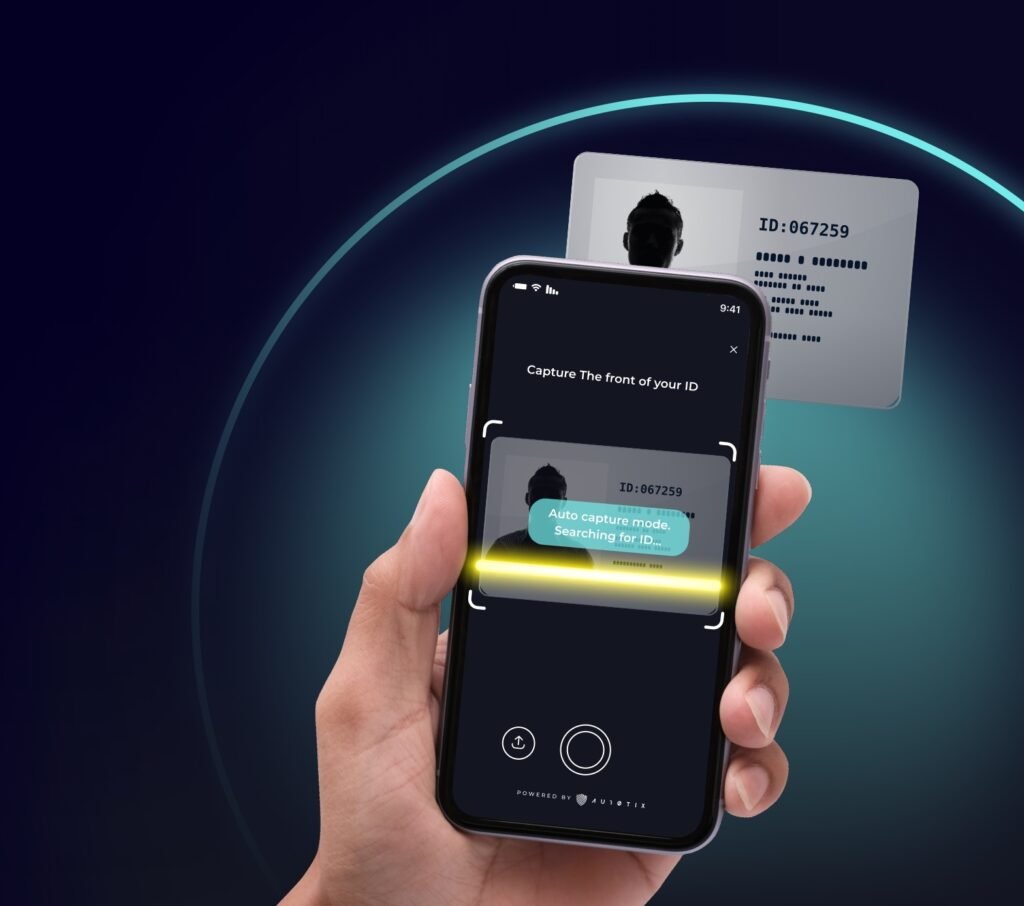
Document verification involves comparing the SSN provided by a user with official identity documents. This could be a physical Social Security card, a W-2 form, pay stubs, or SSA-1099 forms. The process can be manual, with human agents reviewing scans or photos, or increasingly, automated using advanced software.
Automated document verification uses optical character recognition (OCR) and artificial intelligence (AI) to extract data from documents, verify their authenticity (e.g., checking for signs of tampering), and cross-reference the SSN against other provided details. This method adds a tangible layer of proof, directly linking the SSN to a physical document issued by a trusted entity.
3. eCBSV: The Financial Sector's Direct Line to the SSA
The Electronic Consent-Based Social Security Number Verification (eCBSV) is a specialized system designed for specific financial institutions. This system allows authorized entities—such as banks, lending firms, financial advisors, debt collectors, and investment firms—to directly verify a user's name and date of birth against the SSA's official records.
The result of an eCBSV check is a simple "Yes" or "No" match, indicating whether the provided data aligns with SSA records. While incredibly powerful for its directness to the source, eCBSV has limitations. It cannot be the sole identity verification method and is restricted to eligible financial companies. It's a critical component, not a standalone solution, in understanding KYC and AML requirements.
4. Online SSA Tool: For Basic Background Checks
For basic background checks or new hire verification, the Social Security Administration offers a free online tool. This tool allows companies to verify up to 10 SSNs and names at a time, primarily for wage reporting or employment purposes. It's a useful resource for small-scale verification needs but doesn't offer the comprehensive fraud detection capabilities of commercial solutions or eCBSV. It serves as a good starting point for ensuring the fundamental accuracy of an SSN.
From Verification to Authentication: A Crucial Distinction
While often used interchangeably, "verification" and "authentication" serve distinct, albeit related, purposes in the context of SSNs. Understanding the difference is key to building truly secure systems.
- SSN Verification asks: "Is this SSN valid for this person?" It's typically a one-time or infrequent check performed during initial onboarding, account opening, or when significant changes are made. The goal is to establish the initial link between an individual and their SSN.
- SSN Authentication asks: "Is this person who they say they are, using some form of SSN-related data as a factor?" This process is about ongoing access and proving identity at various touchpoints after initial verification. For example, a customer might be asked to provide the last four digits of their SSN, along with other credentials, to log into an account or reset a password.
It's vital to recognize that an SSN alone is a weak authentication factor because it’s static and highly susceptible to theft. If a fraudster has your SSN, they can easily provide it. This is where the principles of multi-factor authentication (MFA) come into play, even when SSN data is involved.
Consider the approach of Login.gov, a platform designed to provide secure access to various government services. While SSNs aren't direct authentication methods there, Login.gov mandates a password and at least one MFA method for account security. They even encourage adding two MFA methods for redundancy. This reflects a fundamental truth: robust security relies on multiple, distinct factors to prove identity. Secure MFA options, like face or touch unlock, security keys, and PIV/CAC cards, offer strong phishing and theft resistance. Less secure methods, like SMS-based codes or backup codes, are discouraged as primary or sole authentication factors. This principle should guide any system that uses SSN data as part of an authentication challenge.
The goal isn't to authenticate with an SSN, but to authenticate a user using a combination of factors, where SSN-related data might be one element in a more complex, secure challenge. This strategy is essential for advanced multi-factor authentication strategies across digital services.
The Double-Edged Sword: Navigating SSN Verification Challenges
Despite its importance, relying on SSN verification comes with its own set of hurdles. Organizations must be aware of these challenges to implement truly effective and user-friendly systems.
1. The Biometric Gap: Vulnerability Without Physical Traits
Unlike fingerprints or facial scans, an SSN isn't inherently backed by biometrics. It's a number, not a physical attribute of a person. This makes it inherently more vulnerable to fraud if stolen or misused. If a fraudster obtains your SSN, they can present it as if it were their own, making it difficult for simple verification systems to detect the impersonation.
2. Ambiguous Results: The "Pass/Fail" Conundrum
Many SSN verification systems provide a straightforward "Yes" or "No" match result. While efficient, this binary output can be problematic. A "No" match doesn't always indicate fraud; it could be a simple data entry error, a maiden name mismatch, or an outdated address. Without deeper insights into why a verification failed, legitimate users can be inconvenienced, and the exact cause of a discrepancy remains elusive for businesses.
3. User Hesitation: The Privacy Paradox
In an era of frequent data breaches, individuals are increasingly hesitant to provide their highly sensitive SSN. Concerns about privacy, data security, and potential misuse are legitimate. This necessitates clear communication from organizations about why the SSN is required, how it will be protected, and the benefits of providing it (e.g., faster onboarding, preventing fraud). Without transparent consent and explanation, businesses risk alienating potential customers.
4. The SSN Gap: When an SSN Isn't Available
Not every individual in the US possesses a valid SSN. Non-residents, recent immigrants, or certain temporary residents may not have one. In these cases, businesses must have alternative identity verification methods in place, such as requiring a Taxpayer Identification Number (TIN), Individual Taxpayer Identification Number (ITIN), or other robust identity documents, to avoid excluding legitimate customers.
5. The Rise of Synthetic Identity Fraud
This insidious form of fraud combines real SSNs (often those of children or deceased individuals, or a genuinely issued but otherwise dormant SSN) with fabricated names, dates of birth, and addresses to create a "new" identity. Over time, fraudsters build a credit history for this synthetic identity, eventually maxing out credit lines and disappearing. SSN verification alone, without cross-referencing against a broader array of data points and behaviors, can struggle to detect these nuanced schemes.
6. Misuse of Deceased Persons' SSNs
Fraudsters also target the SSNs of deceased individuals, using them to open accounts, claim benefits, or file fraudulent tax returns. Robust verification systems need to integrate checks against death records to prevent such misuse, especially in industries dealing with financial services or benefits.
Fortifying Your Defenses: Best Practices for Robust SSN Verification & Authentication
Given the challenges and the critical importance of SSNs, organizations must adopt a multi-faceted strategy that goes beyond simple checks. Here’s how to build a resilient framework for SSN verification and authentication.
1. Embrace the Dual-Layered Approach: SSN + More
Never rely on SSN verification as your sole method of identity proofing. This is perhaps the most crucial takeaway. Regulatory bodies like FinCEN, which enforce the Bank Secrecy Act (BSA) and its Customer Identification Program (CIP) requirements, explicitly mandate multiple identity verification measures.
- Combine SSN verification with:
- ID Document Verification: Validate government-issued IDs (driver's licenses, passports) using forensic analysis to detect fakes.
- Biometric Verification: Use facial recognition, fingerprint scans, or voice biometrics to link the individual to their identity document.
- Address Verification: Confirm residency through utility bills, bank statements, or database lookups.
- Risk-Based Authentication: Implement adaptive authentication that assesses risk levels based on user behavior, device, and location, prompting additional challenges if suspicious activity is detected.
This layered strategy is your strongest defense against sophisticated fraudsters and is fundamental for strengthening your identity fraud protection.
2. Limit Access to Stored SSNs & Secure Data Storage
The fewer people who have access to stored SSNs, the lower the risk of internal breaches. Implement strict access controls based on the principle of least privilege – employees should only have access to the SSN data they absolutely need to perform their job functions.
- Encryption: All stored SSNs must be encrypted, both at rest and in transit.
- Tokenization: Consider tokenizing SSNs, replacing the actual number with a random, non-sensitive value. This value can then be used in internal systems, while the actual SSN is stored securely in an isolated, highly protected environment.
- Avoid Insecure Channels: Never share SSN data via unsecured email, instant messaging, or other similar channels. Establish secure, encrypted communication protocols for any necessary SSN transfer. Adhering to best practices for secure data storage is non-negotiable.
3. Automate for Accuracy and Efficiency
Manual SSN verification processes are prone to human error, slow, and expensive. Implementing automated SSN verification software dramatically improves accuracy, speed, and consistency. These systems can instantly cross-reference data points, flag discrepancies, and integrate with other fraud detection tools, reducing the burden on your team while enhancing security.
4. Transparency and Consent: Building User Trust
Before requesting an SSN, clearly explain to users:
- Why you need their SSN (e.g., "required by federal law for identity verification," "to process your application").
- How you will use it (e.g., "solely for identity verification and fraud prevention").
- How you will protect it (e.g., "encrypted and stored securely," "not shared with third parties without your explicit consent").
Obtaining clear, informed user permission is not just a legal requirement in many cases but also builds trust, making users more willing to share sensitive information.
5. Implement Multi-Factor Authentication (MFA) Principles for Access
While an SSN isn't an MFA method itself, the data derived from it (like the last four digits) might be used in an authentication flow. If SSN data is ever used for authentication (e.g., "enter last 4 digits of your SSN"), it must be paired with at least one other factor from a different category.
- Something you know: Password, PIN.
- Something you have: Authenticator app code, security key, phone (for SMS OTP, though less secure).
- Something you are: Biometrics (fingerprint, face scan).
Following Login.gov's lead, prioritize stronger MFA methods like security keys or biometric unlocks over SMS, especially for high-value transactions or sensitive account access. This holistic approach to identity proves invaluable in modern digital identity solutions.
Beyond the Basics: What If an SSN is Stolen?
Despite all precautions, SSNs can be compromised. If you suspect your SSN has been stolen or misused, swift action is crucial to mitigate damage.
- Contact the Social Security Administration (SSA): Inform them of the situation. While they generally don't issue new SSNs unless there's documented ongoing harm and all other avenues have been exhausted, they can mark your record for potential fraud.
- Report to Federal Authorities:
- Federal Trade Commission (FTC): Report identity theft at IdentityTheft.gov. This site helps you create a personalized recovery plan and provides pre-filled letters to send to creditors and collection agencies.
- Internet Crime Complaint Center (IC3): File a report with the FBI's IC3 if the theft occurred online.
- Monitor Your Credit: Obtain free credit reports from AnnualCreditReport.com and review them meticulously for any unauthorized accounts or inquiries. Place a fraud alert or freeze your credit with all three major credit bureaus (Experian, Equifax, TransUnion).
- Inform Affected Businesses: Notify any banks, credit card companies, or other businesses where fraudulent accounts might have been opened.
SSN-related fraud encompasses various schemes, including direct identity theft, where a fraudster assumes your identity; Social Security Administration scams, where criminals impersonate SSA officials to trick you into revealing information; and synthetic identity fraud, where your SSN (or a part of it) is combined with fake data to create a new, fraudulent identity. Being proactive is your best defense.
If you're ever in a situation where you need to understand SSNs, whether for verification or simply to understand their structure, it’s useful to remember that resources exist to help clarify common questions, though you should always consult official channels for any personal SSN-related matters. Our Our SSN generator tool can illustrate the format and structure of SSNs for educational or testing purposes, but never use such tools for fraudulent activities.
FAQs: Your Top Questions About SSN Verification & Authentication Answered
Is an SSN mandatory for all KYC verification?
No, an SSN is not mandatory for all KYC verification. Many international KYC standards don't require an SSN. However, for US-based companies, especially those in financial services, an SSN is often required by federal regulations (like the Bank Secrecy Act's CIP rules) for compliance purposes when onboarding US citizens or residents. Alternatives like an Individual Taxpayer Identification Number (ITIN) or other robust ID documents may be acceptable for certain non-residents.
Can eCBSV be the only form of identity verification?
Absolutely not. The Electronic Consent-Based Social Security Number Verification (eCBSV) explicitly states it cannot be the sole form of identity verification. It provides a "Yes" or "No" match against SSA records for name and date of birth, but it does not confirm the identity of the person providing the data. It must be combined with other identity proofing measures to meet regulatory compliance and fraud prevention standards.
What is an SSN trace, and what does it actually confirm?
An SSN trace is a service that validates the existence of an SSN, its issuance location, and any names or addresses associated with it in various databases. However, it's crucial to understand that an SSN trace cannot confirm that the person providing the SSN is the actual person it belongs to. It's a useful background check tool but needs to be paired with other methods for true identity verification.
What documents are acceptable for SSN verification?
Acceptable documents for SSN verification typically include official government-issued forms and cards that display your SSN. These are:
- W-2 Forms
- Pay stubs
- US Social Security cards
- SSA-1099 Forms
These documents are used in document verification processes, either manually or via automated software, to cross-reference the SSN provided by a user.
Why were SSNs randomized since 2011?
Prior to 2011, SSNs were assigned based on the state in which the card was issued and the year of issuance, following a somewhat predictable pattern. This predictability made them more susceptible to fraud. Randomizing SSNs since 2011 was a security measure implemented by the SSA to make it significantly harder for fraudsters to guess or generate valid SSNs, thereby enhancing the integrity of the numbering system.
Why isn't SSN backed by biometrics?
The SSN system was established in 1935, long before biometric technology existed. It was designed purely as a numerical identifier for tracking earnings and benefits, not as a security credential tied to a person's physical characteristics. Integrating biometrics into the existing SSN system would be an enormous logistical and privacy challenge, requiring a complete overhaul of its historical purpose and infrastructure. Therefore, its security relies on external verification and authentication layers rather than inherent biometric ties.
What's the difference between identity theft and synthetic identity fraud?
Identity theft involves a fraudster stealing a complete, real identity (including SSN, name, DOB) and impersonating that individual. Synthetic identity fraud, on the other hand, involves creating a new, fabricated identity by combining real elements (often a genuine but dormant SSN, such as one belonging to a child or a deceased person) with false information (name, address, DOB). This synthetic identity is then used to build a credit history over time before maxing out credit and disappearing, making it a harder form of fraud to detect initially. These are critical elements in advanced fraud detection strategies.
Moving Forward Securely: Your Next Steps in Identity Protection
The landscape of SSN verification and authentication is dynamic, constantly evolving to counter ever-more sophisticated fraud tactics. For individuals, vigilance and immediate action in case of compromise are paramount. For businesses and organizations, the message is clear: robust, multi-layered security isn't just a recommendation—it's an operational imperative.
By understanding the nuances of SSN verification, embracing advanced authentication principles, and committing to best practices in data protection, you can build systems that not only comply with regulatory demands but also foster genuine trust with your users. The goal isn't just to verify a number; it's to secure an identity, ensuring a safer, more trustworthy digital future for everyone.