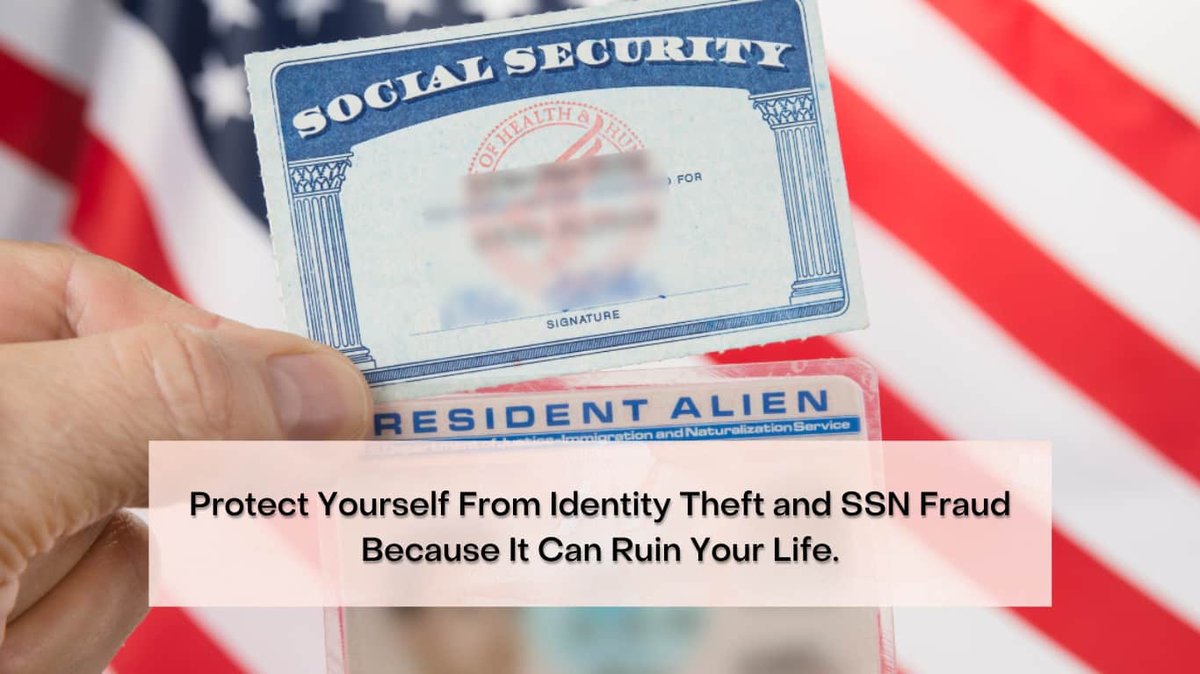
When your Social Security Number (SSN) falls into the wrong hands, it's not just a breach; it's an open invitation for deep-seated SSN fraud, identity theft & security risks that can unravel your financial life. The moment you suspect your SSN has been compromised, immediate, decisive action isn't just recommended—it's imperative to protect your identity and future.
At a Glance: Your Immediate Action Plan
- Act Fast: Place a temporary fraud alert with one credit bureau immediately. They’ll notify the others.
- Monitor Closely: Request your free credit reports from AnnualCreditReport.com and scrutinize them for suspicious activity.
- Report Everything: File reports with the FTC (IdentityTheft.gov), your local police, and the FBI's IC3.
- Lock Down Taxes: File your taxes early, submit Form 14039 to the IRS, and consider an IP PIN.
- Stay Vigilant: Continuously monitor your credit score and Social Security Statement for anomalies.
Why Your SSN is a Goldmine for Thieves: Understanding the Risks
Your Social Security Number is more than just a nine-digit identifier; it's the key to your financial and personal identity. Unlike a temporary password you might generate on a whim, your SSN is a unique, permanently assigned number meant to track your earnings and benefits throughout your life. It’s what links you to government services, employment, and financial accounts. When this foundational piece of your identity is stolen, the consequences can be catastrophic and long-lasting.
The Alarming Reach of SSN Exposure
Identity thieves aren't looking for a quick buck; they're looking to assume your entire financial persona. With your SSN, they gain access to a frightening array of opportunities to exploit your good name:
- Opening New Credit Accounts: Imagine unsolicited credit cards arriving in your mailbox or mysterious car loans appearing on your credit report. Thieves can use your SSN to open credit cards, secure car loans, mortgages, or personal loans, racking up debt in your name that you'll be left to dispute.
- Claiming Fraudulent Tax Refunds: They can file a tax return using your SSN before you do, claiming a refund that rightfully belongs to you. This often means you're flagged by the IRS, delaying your legitimate refund and adding layers of bureaucratic headache.
- Crafting a Fake Identity: An SSN is the bedrock for creating a fabricated identity. This could be used for obtaining jobs, securing apartments, or accessing services, leaving you with a confusing trail of unknown employment records or rental agreements.
- Claiming Illegitimate Benefits: From unemployment to healthcare, a stolen SSN can be used to claim benefits, diverting funds or services that are not meant for them, and potentially impacting your eligibility for future aid.
- Committing Other Crimes in Your Name: In the most extreme cases, identity thieves can use your stolen SSN to commit crimes, leading to criminal records or warrants associated with your name, even if you had no involvement.
The thought of these possibilities can be overwhelming, but understanding the risks empowers you to act decisively.
The First Alarm: Immediate Steps After SSN Exposure
The moment you suspect your SSN is compromised, your priority shifts to damage control and prevention. Every minute counts.
Sounding the Alert: Placing a Temporary Fraud Alert
This is your very first line of defense. A fraud alert signals to potential creditors that you might be an identity theft victim, prompting them to take extra steps to verify identity before issuing credit.
- What it Is: An "Initial security alert" that tells major credit bureaus you're at risk. Any business checking your credit will be notified to take reasonable steps to verify your identity.
- Your Cost: Absolutely free. There's no fee to place a fraud alert.
- Credit Score Impact: Does not affect your credit score in any way. It's a protective measure, not a credit decision.
- How Long it Lasts: It expires automatically after 1 year. You can also cancel it sooner if you wish.
- How to Do It: You only need to contact one of the three major credit bureaus (Equifax, Experian, or TransUnion). That bureau is required by law to notify the other two on your behalf. Simply visit their website and look for the option to add a fraud alert.
- Requirements: You don't need a police report or extensive documentation. You'll just need to confirm your identity with the bureau.
- Removal: While you can contact all three bureaus to remove it, many people simply let it expire naturally after a year.
For Persistent Threats: Considering an Extended Fraud Alert
If you've already discovered actual fraudulent activity linked to your SSN, an extended fraud alert provides a longer period of protection.
- Purpose: Similar to a temporary alert, but it offers a more prolonged safeguarding period.
- Duration: Lasts for 7 years, unless you choose to cancel it earlier.
- Requirement: Generally, you'll need to provide a police report or an Identity Theft Report from the FTC to initiate an extended alert.
- Impact: While it doesn't prevent new accounts from being opened in the way a credit freeze does, it mandates that businesses take even more rigorous steps to verify your identity. You can still open accounts yourself, but thieves would face significantly higher hurdles.
Unmasking the Damage: Credit Monitoring and Reporting
Once the initial alert is in place, it's time to dig deeper and document everything. This means meticulously checking your financial records and officially reporting any fraudulent activity you find.
Your Credit Report: The Early Warning System
Your credit reports are detailed summaries of your financial activities and are crucial for spotting unauthorized accounts.
- Your Right: U.S. Federal law grants you a free copy of your credit report from each of the three major credit reporting companies every 12 months.
- The Source: The only authorized website for these free reports is annualcreditreport.com. Be wary of other sites claiming to offer "free credit reports"—they may be scams or come with strings attached.
- Recommendation: Don't request all three reports at once. Request one initially (e.g., from Equifax). Then, in subsequent weeks or months (e.g., 4-6 months later), request another from a different bureau (Experian), and then the third (TransUnion). This staggered approach allows you to monitor for new items over a longer period.
- What to Review: Scrutinize every detail. Look for any accounts you don't recognize, inquiries you didn't authorize, unfamiliar addresses or employers, or any other activity that seems out of place. Even a small, unfamiliar credit card can be a red flag for larger identity theft.
When Fraud Strikes: Freezing Your Credit Report
If your credit reports reveal fraudulent activity, don't hesitate. A credit freeze is your most powerful tool to stop new accounts from being opened.
- Why and When: If you find evidence of fraudulent activity, freeze your credit report immediately. This is the strongest protection against new credit accounts being opened in your name. A credit freeze restricts access to your credit report, meaning lenders cannot check your credit history, making it nearly impossible for identity thieves to open new lines of credit.
- How: You must contact each of the three credit bureaus individually to place a freeze. They will provide you with a PIN that you'll need to "thaw" or temporarily lift the freeze if you need to apply for credit.
Official Record Keeping: Reporting to the FTC
Reporting to the Federal Trade Commission (FTC) is a critical step. They are the federal government's primary agency for consumer protection and identity theft.
- How: Go to IdentityTheft.gov. This site guides you through the process of reporting identity theft, creates a personalized recovery plan, and generates an official Identity Theft Report. This report is invaluable for disputing fraudulent charges and dealing with creditors.
Confronting the Accounts: Contacting Companies Involved
Any fraudulent accounts you discover require direct action.
- What to Do: Contact the companies associated with any unrecognized accounts (e.g., the credit card issuer, bank, utility company). Clearly state that you are a victim of identity theft and suspect fraud. Ask for details about how the account was opened and how it was used. This information will be crucial when you file a police report. Request to have the fraudulent accounts closed and removed from your credit report.
Documenting the Crime: Filing a Police Report
While it might seem daunting, filing a police report is often essential for building your case.
- Why: A police report creates an official record of the crime, which is often required by creditors or financial institutions when disputing fraudulent activity. It provides a legal foundation for your identity theft claim.
- How: Contact your local police department. Be prepared to provide them with your FTC Identity Theft Report, copies of your credit reports highlighting fraudulent accounts, and any other documentation you've gathered. Ensure you get a copy of the official police report.
Battling Online Threats: Complaining to the IC3
For crimes that occurred online, the Internet Crime Complaint Center (IC3) is another vital resource.
- Who They Are: The IC3 is a department of the FBI that specifically handles reports of online crimes, including internet-related identity theft.
- How: File a complaint at ic3.gov. The information you provide may be shared with other law enforcement agencies at the federal, state, and local levels, aiding in broader investigations.
Shielding Your Taxes: IRS and Tax Fraud Prevention
Tax-related identity theft, where someone uses your SSN to file a fraudulent tax return and claim your refund, is a particularly nasty form of SSN fraud. Proactive steps can save you immense headaches.
Proactive Tax Measures: Filing Early
One of the simplest yet most effective ways to prevent tax fraud is to beat the thieves to the punch.
- The Strategy: File your tax return as early as possible each year. If you file first, a fraudster attempting to file a second return with your SSN will be flagged, giving you an advantage.
Notifying the Taxman: Form 14039
If your SSN has been compromised, alerting the IRS directly is crucial.
- What it Is: Form 14039, the Identity Theft Affidavit, notifies the IRS that your SSN was stolen and could be used for tax fraud.
- How to File: Fill out and submit Form 14039. This form puts the IRS on alert for suspicious filings under your SSN and is essential for disputing any fake tax returns filed in your name. You can start this process and find the form at irs.gov/identity-theft-fraud/identity-th….
Your Personal Tax Lock: Getting an Identity Protection PIN (IP PIN)
This is a powerful preventative measure against tax fraud.
- What it Is: A free, six-digit Identity Protection PIN (IP PIN) issued by the IRS.
- How it Works: If you have an IP PIN, you must provide it when you file your federal taxes, whether electronically or on paper. If someone tries to file a return with your SSN but without your correct IP PIN, the return will be rejected. This makes it significantly harder for criminals to file fraudulent tax returns in your name.
- Proactive Use: Even if you haven't been a victim of tax fraud yet, obtaining an IP PIN is a smart proactive step. You can get one from the IRS website at irs.gov/identity-theft-fraud/get-an-ide….
Vigilance is Key: Ongoing Monitoring Strategies
Dealing with SSN fraud isn't a one-and-done process. It requires ongoing vigilance to ensure no new fraudulent activity surfaces and to catch any lingering issues.
Your Credit Score: A Bellwether of Financial Health
Your credit score can often be the first indicator of new financial troubles.
- What to Watch For: Unexpected and significant changes in your credit score—sudden drops or unexplainable jumps—can be a red flag. These shifts could indicate unauthorized activity, such as new accounts being opened, high balances being reported, or late payments you didn't make.
- How to Monitor: Many banks and credit card companies now offer free access to your credit score. Check it regularly. If you notice any major, unexplainable changes, immediately pull a fresh copy of your detailed credit report from one of the bureaus to investigate.
Your Social Security Statement: Guarding Your Earnings Record
Criminals sometimes use stolen SSNs to gain employment, which can have long-term implications for your Social Security benefits.
- Why Monitor: If an identity thief uses your SSN for a job, their earnings will be reported under your name. This could inflate your reported income or, conversely, if they're earning very little, skew your earnings record. Either way, it can affect your future Social Security payments.
- How to Check: Create an account and regularly review your Social Security Statement annually at ssa.gov/myaccount. Look for reported income that doesn't align with your employment history. Substantially higher earnings than you know you earned, or unusually low earnings during a period you were employed elsewhere, warrant immediate investigation.
The Last Resort: Changing Your Social Security Number
While often considered, getting a new Social Security number is a rare and challenging process. It's truly a last resort, usually reserved for situations where pervasive, ongoing identity theft makes life unbearable.
A Major Decision: When and How to Get a New SSN
The Social Security Administration (SSA) does not issue new SSNs lightly. It’s a significant administrative undertaking that impacts various aspects of your life.
- Requirements: To even be considered for a new SSN, you must apply in person at a Social Security office. You’ll need to provide compelling, documented evidence of persistent, ongoing problems directly resulting from identity theft that simply cannot be resolved otherwise. This means showing proof of relentless harassment, inability to get employment, or severe credit issues despite all other remedial actions. You'll also need to present proof of age and citizenship (e.g., your birth certificate).
- Impact: Understand that a new SSN doesn't erase your past. Your old number is not deleted; instead, it's linked to your new one within the SSA system. This means that if someone performs a thorough background check, the old number and its associated history may still surface. Furthermore, you’ll need to inform all relevant parties—your employer, banks, credit card companies, insurance providers, etc.—about your new SSN.
- Action if Issued: If the SSA approves your request and issues a new number, immediately update your employer to ensure your earnings are correctly reported under your new SSN. You’ll also need to notify financial institutions, healthcare providers, and any other entities that rely on your SSN. This is a monumental administrative task that can take months to fully implement.
Protecting Your Digital Identity: Proactive Security Habits
While the focus has been on reactive measures to SSN fraud, true security includes robust proactive habits. Prevention is always better than cure.
Guarding Your Online Footprint
- Strong, Unique Passwords & MFA: Use complex, unique passwords for every online account, especially financial ones. Employ a password manager to help. Always enable multi-factor authentication (MFA) or two-factor authentication (2FA) wherever available. This adds a crucial layer of security, making it harder for thieves to access your accounts even if they have your password.
- Be Skeptical of Phishing: Be incredibly wary of unsolicited emails, texts, or calls asking for personal information, especially your SSN. Government agencies and legitimate businesses rarely ask for sensitive data via these channels. Always go directly to a known official website or call a verified number if you have concerns.
- Secure Your Devices: Ensure your computer, tablet, and smartphone are protected with strong passwords or biometrics, up-to-date operating systems, and reputable antivirus software. Public Wi-Fi networks are often unsecured; avoid sensitive transactions (banking, shopping) when connected to them.
- Limit SSN Sharing: Only provide your SSN when it is absolutely necessary and to trusted entities. For instance, employers need it for tax purposes, and financial institutions need it for credit checks, but a random survey or a new online service usually does not. If asked, inquire why it's needed and what security measures are in place.
Physical Document Security
- Shred Sensitive Documents: Don't just toss old bank statements, tax documents, or other papers containing personal information in the trash. Invest in a cross-cut shredder and use it diligently.
- Secure Your Wallet/Purse: Your physical wallet is a treasure trove for identity thieves. Carry only essential cards and documents. Never carry your physical Social Security card with you unless absolutely necessary. Keep it in a secure place at home, such as a locked safe or strongbox.
- Secure Mail: Consider a locked mailbox to prevent mail theft, where thieves can intercept bank statements, credit card offers, or other documents containing personal data.
Your Next Move: Securing Your Future
Dealing with SSN fraud, identity theft & security risks is a marathon, not a sprint. The emotional and financial toll can be significant, but you are not alone, and there are concrete steps you can take to reclaim your identity. Start with the immediate actions: the fraud alert and credit report review. Document everything: every call, every conversation, every form, every date, and every person you speak with. This meticulous record-keeping will be your strongest ally in disputing fraudulent activity.
By being proactive, vigilant, and disciplined in following these steps, you build a formidable defense against identity thieves. Remember, your peace of mind is worth the effort.